Nutrition for Sight
The eye is one of the most metabolically active organs in the body. Discover the naturally occurring vitamins and minerals that anchor long-term visual performance.
The Antioxidant Shield
Modern environments subject our eyes to constant oxidative stress from high-energy blue light and environmental pollutants. A diet rich in specific pigment-based nutrients acts as an internal filter, absorbing excess light and neutralizing free radicals before they can affect eye longevity.
Key Focus
Prioritizing lutein rich foods is a primary strategy for maintaining the integrity of the macula, the part of the eye responsible for sharp, central vision.
Lutein & Zeaxanthin
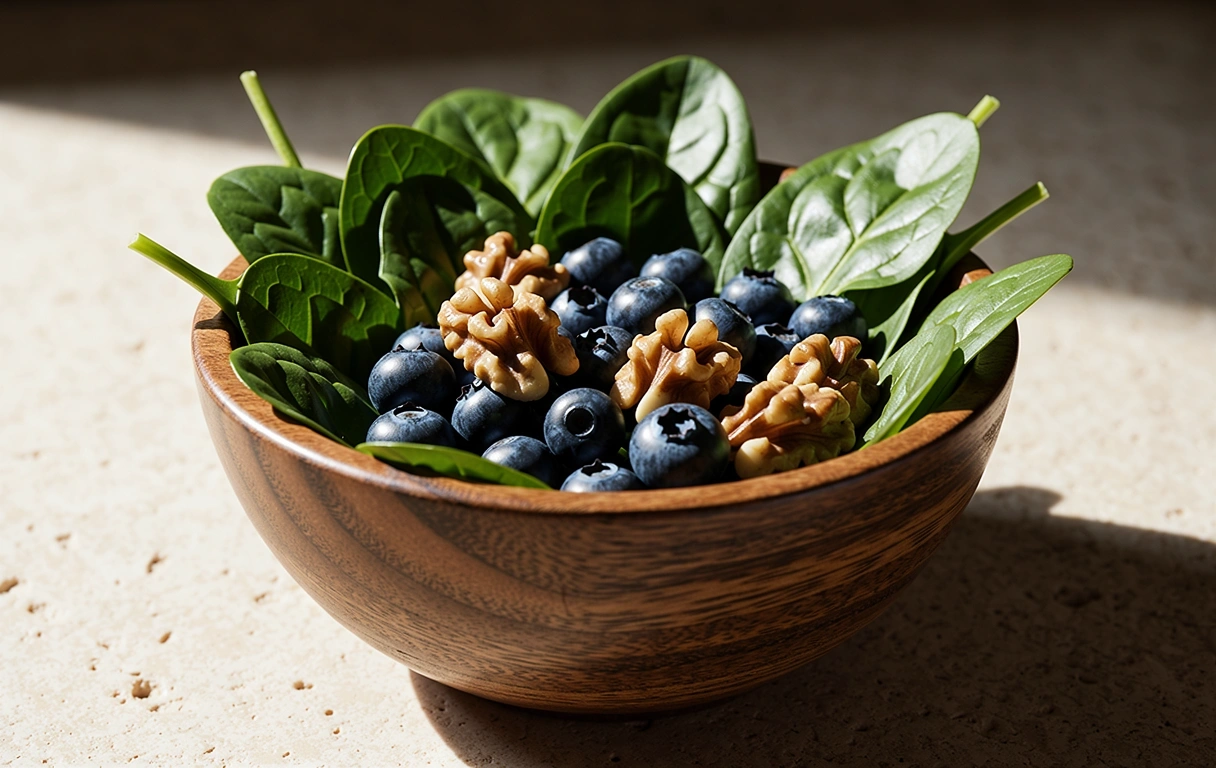
Commonly found in dark leafy greens and colorful fruits, these carotenoids migrate specifically to the back of the eye. Think of them as "internal sunglasses" that help manage light sensitivity.
- Spinach & Kale High Density
- Egg Yolks High Bioavailability
- Corn Zeaxanthin Source
Omega-3 for Vision
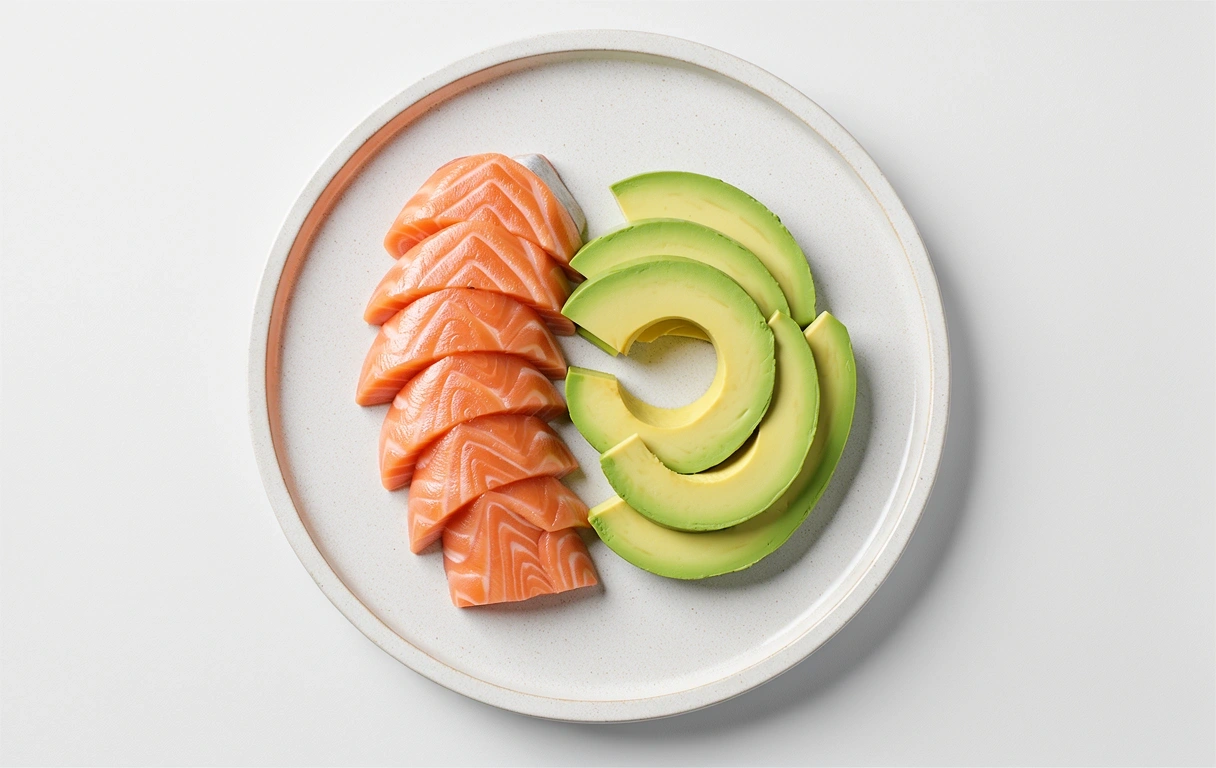
The tear film requires a delicate balance of oils to prevent evaporation. Healthy fatty acids support the glands in the eyelids, ensuring the eye surface remains hydrated and smooth for clear optics.
- Fatty Fish DHA/EPA
- Flaxseeds ALA Plant-Base
- Chia Seeds Hydration Support
Building Blocks of Clarity
Beyond the main pigments, several trace minerals and vitamins for eyes work in the background to assist with nighttime adjustment and cellular repair.
Vitamin A
Essential for the production of rhodopsin, the pigment that allows us to see in low-light conditions. Sources include carrots and sweet potatoes.
Zinc
Acts as a transport mechanism, bringing Vitamin A from the liver to the retina to produce melanin, a protective pigment.
Antioxidant C & E
These work in tandem to protect ocular cells from unstable molecules that can cloud fine vision over time.
A Wellness Diet Beyond The Plate
Nutrition is only one pillar of a proactive vision strategy.
Hydration & Humidity
Systemic hydration directly affects tear quality. In Indonesia's humid climate, air conditioning can paradoxically dry out the ocular surface. Drinking adequate water supports your eyes' natural moisture barrier.
The Blue Light Context
Screen time increases the demand for dietary antioxidants. If you spend over 6 hours a day on digital devices, increasing your intake of anthocyanins from dark berries can provide extra support.
Start Your Vision-First Lifestyle
Small, consistent changes in your daily meals can have lasting impacts on how you see the world. Explore our full library of tips for the digital era.